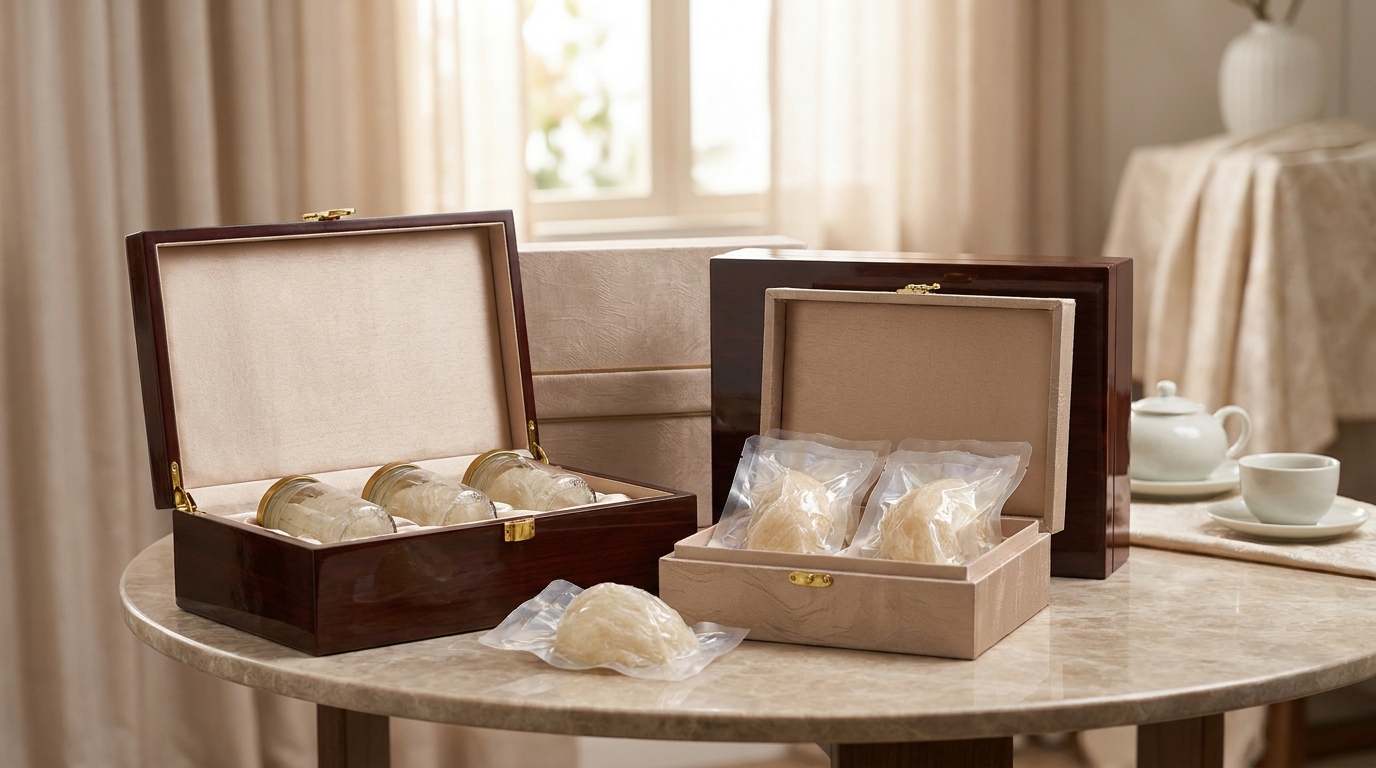
How to Import Edible Bird's Nest from Indonesia: A Step-by-Step Guide
Indonesia is the world's leading source of edible bird's nest, making it a natural starting point for importers. But because bird's nest is a high-value, tightly regulated food product, a successful first transaction depends on understanding both the commercial and the regulatory steps. From defining grade and cleanliness to navigating registration and documentation, this step-by-step guide walks you through how to import edible bird's nest from Indonesia with confidence.
- Indonesia is the largest global source of edible bird's nest
- Define grade, cleanliness, and moisture before sourcing
- China requires GACC/CNCA registration and traceability
- Confirm samples and lab testing before bulk orders
- Documentation and authenticity are critical at customs
Step 1: Define your specifications
Before contacting any supplier, decide exactly what you need: the type and colour (white, yellow, red), the form (bowl, corner, strips), whether raw or cleaned, the cleanliness level, target moisture, and the volume. Clear specifications let suppliers quote accurately and prevent misunderstandings later. If you are unsure of the exact grade, describe your end market — for example premium gifting versus processing into drinks — and let the supplier recommend a suitable specification.
Step 2: Find and qualify suppliers
Identify several candidate suppliers and assess them before committing. With a high-value product like bird's nest, authenticity and traceability matter as much as price. Look for these signals when qualifying a supplier:
- Traceability back to registered swiftlet houses.
- Willingness to provide representative samples and lab tests.
- Experience with export packing and the documentation your market needs.
- Relevant registrations (for example GACC/CNCA for China).
Step 3: Request samples and verify authenticity
Never place a large first order without seeing and testing the product. Request a representative sample and verify it against your requirements — colour, shape, cleanliness, strand structure, and moisture. For a product so often imitated, confirming authenticity is essential: check that the nest is genuine swiftlet saliva and, where appropriate, obtain lab testing. The sample becomes your reference point, and the bulk shipment should match it. A supplier confident in their quality welcomes sampling and testing rather than avoiding it.
Step 4: Confirm registrations and regulations
Edible bird's nest is one of the most regulated food products in trade, so confirm the rules for your destination early. China, the biggest market, requires the processing facility to be registered under GACC/CNCA, with strict traceability and testing. Other markets have their own food-safety and import requirements. Clarify which registrations and certificates apply to your import, and make sure your supplier's facility holds them. Getting this right before production avoids shipments being blocked or rejected at the border.
Step 5: Agree terms, pricing, and documentation
Once quality and regulations are settled, agree the commercial terms. Confirm the Incoterm (such as FOB or CIF), the currency, and what is included, and standardize the specification so competing quotes are comparable. Discuss payment terms early. Align on the documentation you will receive — commercial invoice, packing list, health or veterinary certificate, certificate of origin, and lab test reports — since complete, accurate paperwork is what keeps a high-value, regulated shipment moving smoothly through customs.
Step 6: Plan shipping and receiving
Finally, plan the logistics. Bird's nest is packed dry and protected against moisture and crushing, and because of its value, secure handling matters. Confirm the packing method, transit time, and storage conditions so the product arrives in grade. On arrival, inspect the shipment against your sample and documents before accepting it, and verify authenticity if needed. Keeping good records of each order — specifications, certificates, and inspection notes — makes repeat ordering faster and builds a dependable, compliant supply relationship over time.
Frequently Asked Questions
What registration do I need to import bird's nest into China?
China requires the processing facility to be registered under GACC/CNCA, with traceability and testing. Source from a supplier whose facility holds the required registration and can provide the documentation.
How do I avoid buying fake bird's nest?
Request samples and lab testing, verify the strand structure of genuine swiftlet saliva, be wary of unusually low prices, and buy only from a traceable, reputable supplier.
What documents are needed to import bird's nest?
Typically a commercial invoice, packing list, health or veterinary certificate, certificate of origin, and lab test reports. Your destination's food authority and customs broker can confirm specific requirements.
Looking to import Indonesian edible bird's nest? Contact our export team for a quote and specifications.
Contact Us