How Edible Bird's Nest Is Harvested
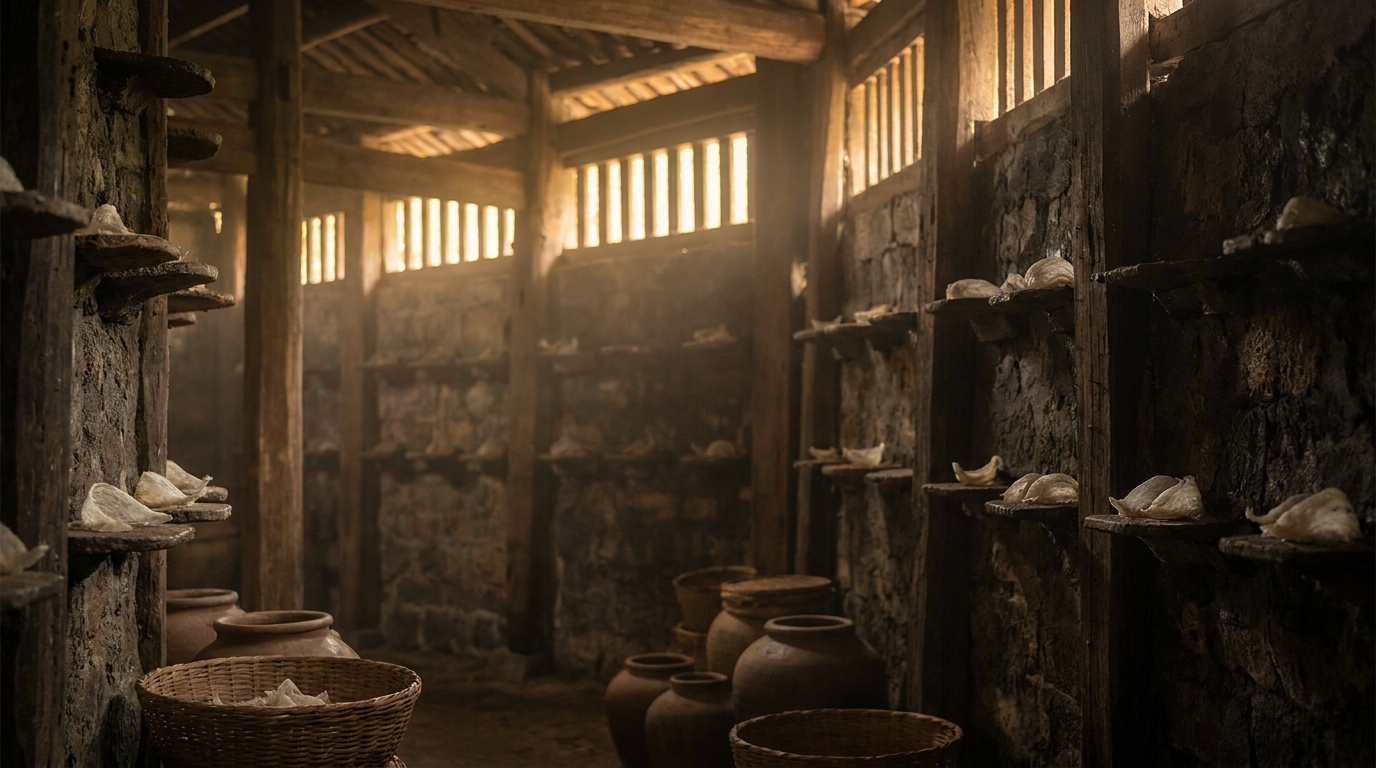
Behind every edible bird's nest is a careful production process centred on swiftlet houses — purpose-built structures that mimic the caves where swiftlets naturally nest. How and when nests are harvested affects not only the swiftlet population but also the quality of the final product. For importers and consumers alike, understanding how bird's nest is harvested builds trust and explains why responsible sourcing matters. This guide explains how edible bird's nest is produced and harvested.
- Swiftlets nest in purpose-built houses that mimic natural caves
- Nests are made from the swiftlets' hardened saliva
- Responsible harvest timing protects the swiftlet population
- House conditions strongly influence nest quality and colour
- Sustainable practice supports long-term, consistent supply
Swiftlet houses: mimicking natural caves
Edible bird's nest production centres on swiftlet houses — buildings designed to recreate the dark, humid, cave-like environment that swiftlets prefer for nesting. By controlling temperature, humidity, and darkness, these houses encourage wild swiftlets to nest there of their own accord. The birds are not caged or fed; they come and go freely, foraging for insects outside and returning to build their nests. This approach effectively provides an attractive habitat rather than farming the birds, which is central to how modern bird's nest production works.
How the nest is formed
The nest itself is built by the swiftlet from its own saliva, which it secretes and shapes into a small cup attached to the wall or ceiling of the house. The saliva hardens on contact with air, forming the fine, interwoven strands that characterize genuine edible bird's nest. This is why bird's nest is sometimes described as being made from 'swiftlet saliva' — it is a remarkable natural material. The quality, colour, and thickness of the strands depend on the individual bird and the conditions inside the house.
Responsible harvest timing
When nests are harvested matters greatly, both ethically and commercially. Responsible producers time the harvest so as not to disrupt the swiftlets' breeding cycle, allowing the birds to raise their young before nests are collected. Consider why timing is so important:
- Harvesting after fledging protects the swiftlet population.
- Sustainable timing keeps the colony healthy and productive long-term.
- Well-timed harvest yields cleaner, better-formed nests.
- Responsible practice supports stable, consistent future supply.
How house conditions affect quality
The environment inside the swiftlet house has a direct effect on the nests produced. Cleanliness, humidity, and stable conditions influence the colour, strand thickness, and overall quality of the nests, as well as how much feather and debris must later be cleaned away. Well-managed houses produce more consistent, higher-grade nests with less contamination. This is why traceability back to the house matters to buyers: the conditions where a nest formed tell you a great deal about its quality and authenticity.
Sustainability and traceability
Sustainable, responsible production is not just an ethical choice — it underpins the long-term reliability of supply that importers depend on. Colonies that are well managed and harvested responsibly remain productive year after year, while careless practices can drive birds away and degrade quality. Traceability from house to finished nest also supports the food-safety and registration requirements of major markets like China. For buyers, sourcing from producers who manage their houses well and document their practices is both an ethical and a commercial advantage.
Frequently Asked Questions
Are swiftlets harmed to harvest bird's nest?
In responsible production, no. Swiftlets are wild birds that come and go freely from the houses; they are not caged or fed. Responsible producers harvest nests after the young have fledged to protect the colony.
What is bird's nest actually made of?
It is made from the swiftlet's own saliva, which it shapes into a nest that hardens into fine interwoven strands. This natural material is what gives genuine bird's nest its characteristic structure.
Why does the swiftlet house matter to quality?
Conditions inside the house — cleanliness, humidity, and stability — influence the colour, strand thickness, and cleanliness of the nests. Well-managed houses produce more consistent, higher-grade product.
Looking to import Indonesian edible bird's nest? Contact our export team for a quote and specifications.
Contact Us