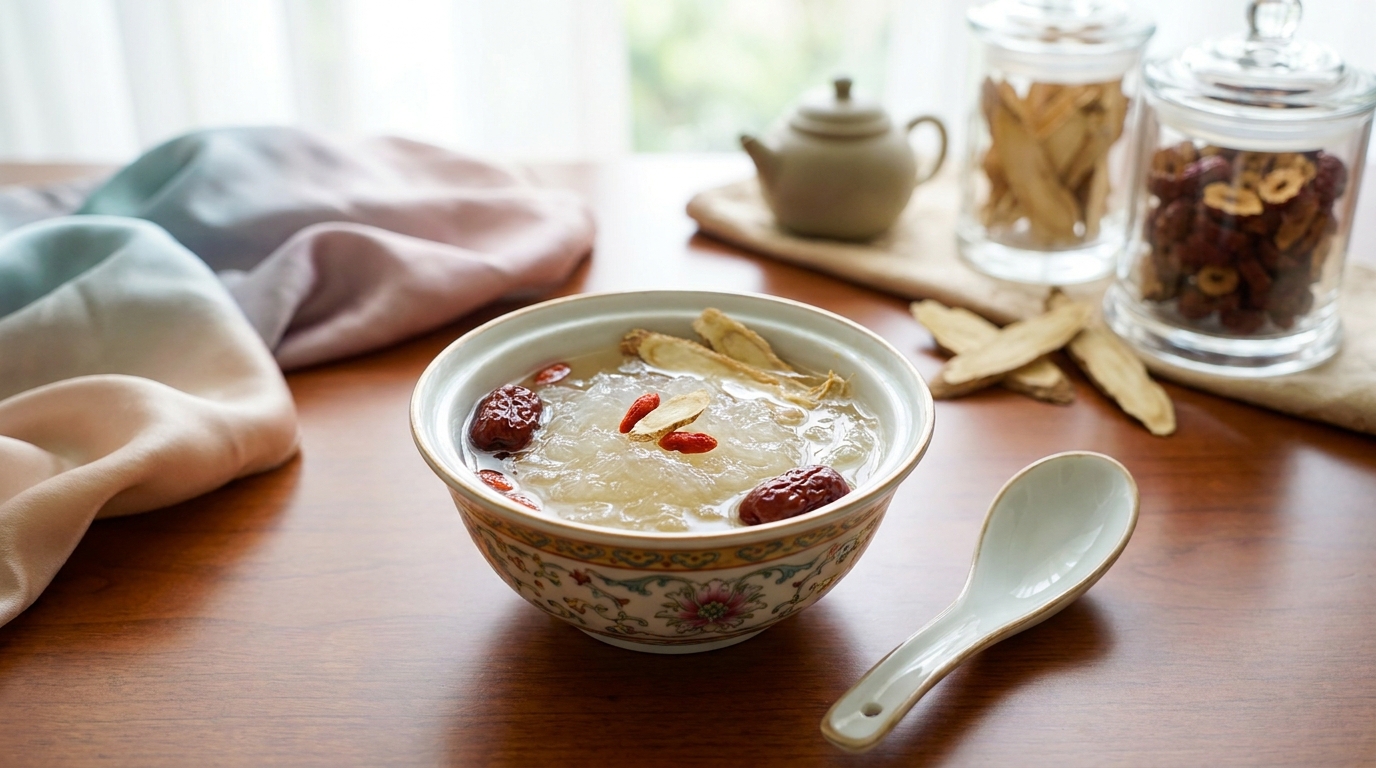
Health Benefits and Nutrition of Edible Bird's Nest
Edible bird's nest has been prized in East Asian culture for centuries as a premium health food, valued for its rich protein and glycoprotein content. Today it remains a sought-after tonic for vitality, skin health, and recovery, driving strong demand in markets like China and Hong Kong. For importers and sellers, understanding the nutritional profile and traditional benefits of bird's nest helps in communicating its value. This guide gives an overview of edible bird's nest nutrition, its traditional benefits, and how it is consumed.
- Rich in protein, glycoprotein, and amino acids
- Traditionally valued for vitality, skin health, and recovery
- Commonly double-boiled to preserve its nutrients
- Demand is strong in China, Hong Kong, and across Asia
- Benefits are traditional; individual results may vary
Nutritional profile
Edible bird's nest is valued primarily for its high protein content and its characteristic glycoproteins — proteins combined with carbohydrate chains — along with a range of amino acids and trace minerals. This combination is what sets bird's nest apart from ordinary foods and underpins its premium status. While it should be seen as a nourishing delicacy rather than a medicine, its dense, easily digestible nutrient profile is the foundation of its centuries-old reputation as a food for health and recovery in Chinese tradition.
Traditional health benefits
In Chinese tradition, edible bird's nest has long been consumed to support several aspects of wellbeing. Common traditional uses include:
- Vitality and energy — taken regularly as a nourishing tonic.
- Skin health — valued for supporting a healthy complexion from within.
- Recovery — given to support recuperation after illness.
- General wellbeing — consumed as part of a healthy lifestyle.
Who consumes bird's nest and why
Bird's nest is consumed across a broad range of people, from those seeking a daily wellness routine to those marking special occasions with a premium gift. It is popular among adults looking after their long-term health, and it carries strong cultural significance as a luxurious, caring gift. Because it is gentle and easily digestible after proper preparation, it suits many consumers. That said, for specific health conditions or during pregnancy, it is sensible to consult a healthcare professional before adding any new food to the diet.
How bird's nest is prepared
The traditional and preferred way to prepare edible bird's nest is double-boiling — gently steaming the soaked nest over water rather than boiling it directly at high heat. This careful method helps preserve the delicate nutrients and the soft, gelatinous texture that consumers prize. The soaked nest is typically double-boiled with mild accompaniments such as rock sugar, and sometimes red dates or other ingredients. Gentle preparation is important: aggressive high-heat cooking can degrade the texture and nutritional quality, which is why double-boiling remains the standard.
Setting honest expectations
When communicating the value of bird's nest, it is important to be honest and measured. Its benefits are rooted in long tradition and its genuine nutritional richness, but it is a premium food, not a cure, and individual results vary. Responsible sellers describe it as a nourishing delicacy and avoid exaggerated medical claims, which protects both consumers and the reputation of the product. Emphasizing authentic quality, clean processing, and traceable sourcing is a more sustainable way to convey value than overstating health effects.
Frequently Asked Questions
What nutrients does edible bird's nest contain?
It is rich in protein and characteristic glycoproteins, along with amino acids and trace minerals. This dense, easily digestible profile underpins its traditional reputation as a health food.
How is bird's nest usually eaten?
It is typically soaked, then double-boiled gently with mild accompaniments such as rock sugar. Double-boiling preserves the delicate nutrients and soft texture better than direct high-heat cooking.
Is bird's nest safe during pregnancy?
Bird's nest is commonly consumed for its nutrition, but for pregnancy or specific health conditions it is best to consult a healthcare professional before adding it to the diet.
Looking to import Indonesian edible bird's nest? Contact our export team for a quote and specifications.
Contact Us